 CA
CA
 US
US AU
AU UK
UK KR
KR FR
FR DE
DE JP
JP SE
SE NL
NL ES
ES NO
NO IT
IT BENL
BENL FI
FI HR
HR CHDE
CHDE CHFR
CHFR DK
DK
Grinding teeth or bruxism ¹ is a condition where you grind your teeth or clench your jaw, often while you’re asleep. You may not know you’re grinding your teeth unless someone hears it and points it out to you. Your dentist may also notice damage that is typical of teeth grinding such as chipped, cracked or loose teeth.
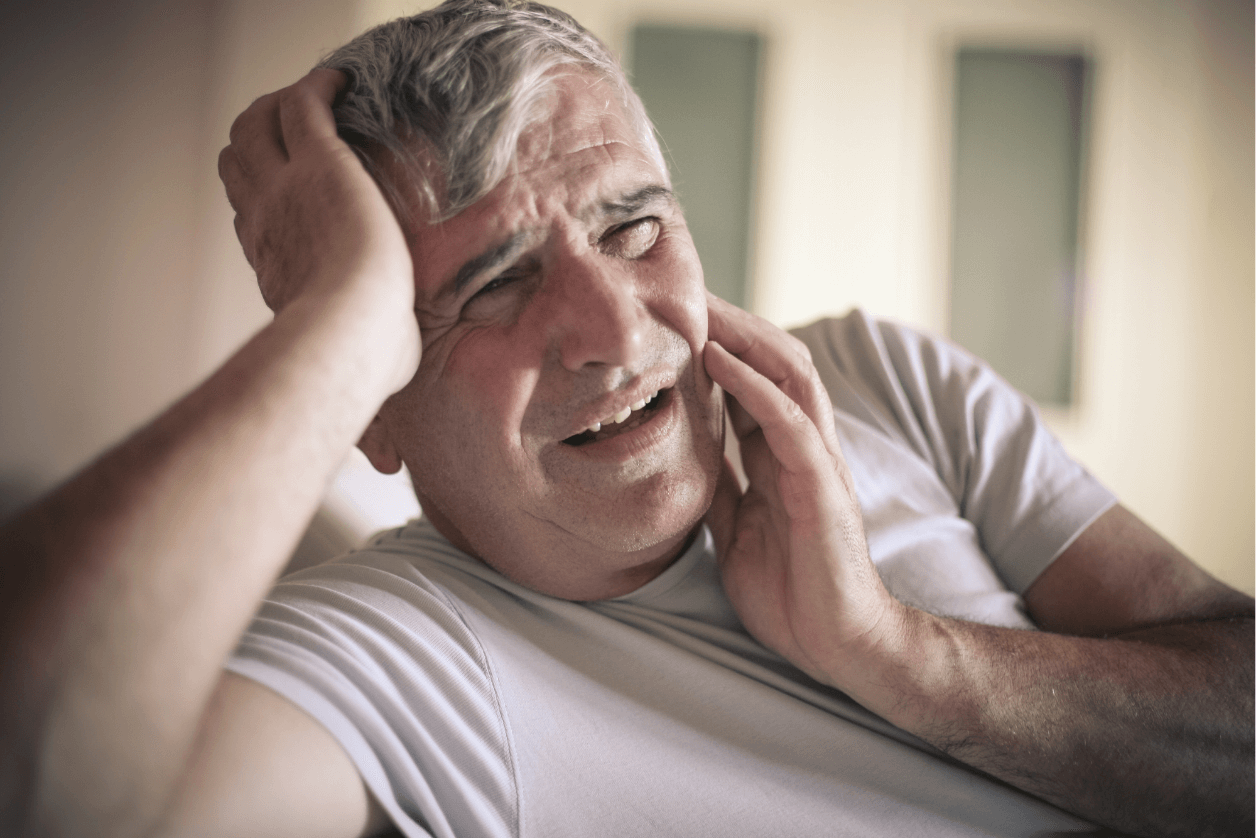
Teeth grinding symptoms
The main symptoms of grinding teeth are:
- High blood pressure
- Diabetes
- Heart failure
- Car and truck accidents
- Work accidents
- Stroke
Causes of grinding teeth
Physical causes of teeth grinding
- Poor alignment of your upper and lower teeth (malocclusion)
- Reflux of your stomach contents into your oesophagus
- A sleep disorder such as sleep apnea
- A side effect of certain medications for psychiatric disorders
- Drinking alcohol, smoking or taking drugs such as ecstasy or speed
- A movement disorder such as Huntington’s disease or Parkinson’s disease.
Psychological causes of teeth grinding
- Anxiety, stress, anger and frustration
- Having an aggressive or hyperactive personality
Should I get treatment for my teeth grinding?
If a child is grinding their teeth they may outgrow the problem. In adults, if teeth grinding is left untreated, it can become a very destructive and expensive problem. Teeth grinding can lead to loss of teeth and the need for expensive dental work. It can also cause permanent damage to your temporomandibular joint (TMJ). This joint connects your jaw to your skull.
Teeth grinding treatments
There are a number of treatments for teeth grinding which your GP or dentist can recommend:
- Poor alignment of your upper and lower teeth (malocclusion)
- Reflux of your stomach contents into your oesophagus
- A sleep disorder such as sleep apnea
- A side effect of certain medications for psychiatric disorders
- Drinking alcohol, smoking or taking drugs such as ecstasy or speed
- A movement disorder such as Huntington’s disease or Parkinson’s disease.